

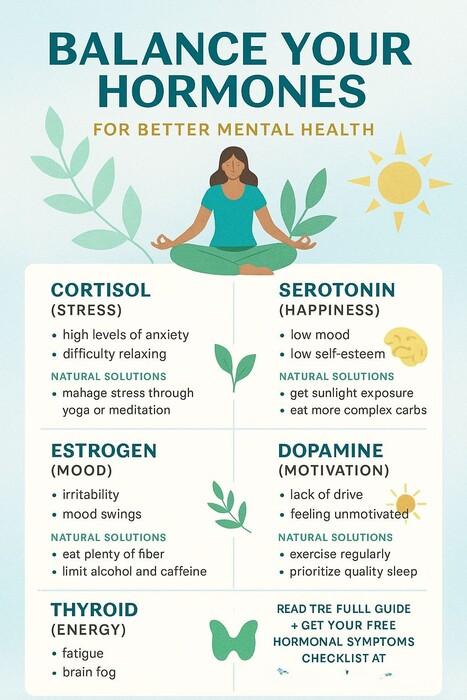
Hormone health is one of the most important yet often overlooked aspects of overall wellness. Hormones act as the body’s internal communication system, controlling everything from metabolism and energy levels to mood, sleep, and reproductive health. When hormone health is balanced, the body functions smoothly. When it is disrupted, it can lead to fatigue, weight changes, mood swings, and long-term health complications.
Many people focus only on symptoms rather than understanding the root cause. However, improving hormone health requires a holistic approach that includes nutrition, lifestyle balance, stress management, sleep quality, and proper medical awareness.
This expert guide explains everything you need to know about hormone health, including how hormones work, signs of imbalance, causes, natural balance strategies, and long-term hormone support methods.
Understanding Hormone Health and Its Importance
Hormone health refers to the proper production, regulation, and balance of hormones in the body. Hormones are chemical messengers produced by endocrine glands. They travel through the bloodstream and control key bodily processes.
Healthy hormone levels help regulate:
- Metabolism
- Energy production
- Mood stability
- Sleep cycles
- Growth and development
- Reproductive health
- Stress response
Even a small disruption in hormone health can affect multiple body systems.
The Endocrine System and Hormone Health
The endocrine system is responsible for producing and releasing hormones. Major endocrine glands include:
Pituitary Gland
Known as the master gland that controls other hormone glands.
Thyroid Gland
Controls metabolism and energy use.
Adrenal Glands
Manage stress response and inflammation.
Pancreas
Controls blood sugar regulation through insulin and glucagon.
Ovaries and Testes
Produce reproductive hormones.
When these glands work in harmony, hormone health remains stable.
How Hormones Work in the Body
Hormones travel through the bloodstream and bind to specific receptors on cells. This triggers biological responses such as energy production, cell repair, or metabolic regulation.
For example:
- Insulin helps cells absorb glucose for energy.
- Thyroid hormones regulate metabolic speed.
- Cortisol controls stress response.
- Estrogen and testosterone regulate reproductive health.
Hormone health depends on precise balance. Too much or too little hormone disrupts body functions.
Major Types of Hormones and Their Roles
Growth Hormone
Supports tissue repair, muscle growth, and bone strength.
Thyroid Hormones
Control metabolism, body temperature, and energy levels.
Sex Hormones
Support fertility, reproductive function, and physical development.
Stress Hormones
Help the body respond to physical and emotional stress.
Insulin and Glucagon
Maintain blood sugar balance.
Melatonin
Regulates sleep cycles and circadian rhythm.
Balanced function of these hormones ensures strong hormone health.
Signs of Poor Hormone Health
Chronic Fatigue
Low thyroid or adrenal hormone imbalance can cause low energy.
Weight Changes
Hormonal shifts affect metabolism and fat storage.
Mood Swings
Hormones directly affect brain chemistry.
Sleep Problems
Melatonin and cortisol imbalance affects sleep quality.
Hair and Skin Changes
Hormone imbalance can cause hair thinning and skin dryness.
Reproductive Issues
Irregular cycles and fertility challenges may indicate imbalance.
Recognizing these signs early helps maintain hormone health long term.
Common Causes of Hormone Imbalance
Chronic Stress
Stress increases cortisol and disrupts other hormones.
Poor Diet
Nutrient deficiency affects hormone production.
Lack of Sleep
Sleep regulates multiple hormones including growth hormone.
Aging
Natural decline in hormone production occurs over time.
Environmental Toxins
Certain chemicals disrupt endocrine function.
Medical Conditions
Thyroid disorders, diabetes, and metabolic issues affect hormone health.
Nutrition Strategies for Hormone Health
Protein
Supports hormone production and tissue repair.
Healthy Fats
Essential for hormone synthesis.
Fiber
Supports insulin regulation.
Vitamins and Minerals
Zinc, magnesium, and vitamin D support endocrine health.
Hydration is also essential for hormone transport and function.
Lifestyle Habits That Support Hormone Health
Regular Exercise
Improves insulin sensitivity and hormone regulation.
Stress Management
Meditation and yoga help control cortisol levels.
Quality Sleep
Supports hormone repair and balance.
Healthy Body Weight
Maintains stable hormone production.
Natural Ways to Support Hormone Health
Adaptogenic Herbs
Help regulate stress response hormones.
Omega Fatty Acids
Support hormone production and reduce inflammation.
Herbal Teas
Support detox and endocrine balance.
Sunlight Exposure
Supports vitamin D production for hormone regulation.
Hormone Health and Mental Wellness
Hormones directly influence mood and cognitive function. Balanced hormone health supports:
- Mental clarity
- Emotional stability
- Stress tolerance
- Focus and productivity
Hormone Health and Metabolism
Hormones regulate how the body converts food into energy. Poor hormone health can slow metabolism and cause weight changes.
Hormone Health and Sleep Quality
Melatonin and cortisol regulate sleep cycles. Poor hormone health leads to insomnia and fatigue.
Long-Term Hormone Health Maintenance
To maintain strong hormone health:
- Eat nutrient-rich foods
- Exercise consistently
- Manage stress
- Sleep well
- Avoid toxins
- Get regular health checkups
Hormone Health Myths
Myth: Hormones Only Affect Reproduction
Hormones affect every body system.
Myth: Hormone Problems Only Affect Older Adults
Hormone imbalance can happen at any age.
Myth: Hormones Cannot Be Balanced Naturally
Lifestyle changes significantly improve hormone health.
Seasonal Impact on Hormone Health
Seasonal changes affect hormone levels due to sunlight exposure, temperature, and lifestyle changes.
Future of Hormone Health Awareness
Growing research is improving hormone testing, treatment options, and lifestyle-based hormone support strategies.
Final Thoughts
Hormone health is the foundation of overall wellness. When hormones are balanced, energy improves, metabolism stabilizes, mood becomes steady, and long-term health risks reduce. Supporting hormone health requires consistent lifestyle habits, proper nutrition, stress management, and regular health monitoring.
By understanding hormone functions and supporting your body naturally, you can maintain strong hormone health and improve overall quality of life.