

Nail health is an essential part of overall hygiene and wellness, yet it is often overlooked until problems appear. One of the most common nail conditions affecting millions of people worldwide is onychomycosis, also known as nail fungus infection. This condition can affect both fingernails and toenails, causing discoloration, thickening, brittleness, and sometimes pain or discomfort.
With increasing public awareness of personal hygiene and appearance, interest in nail fungus care has grown significantly. Many people actively search for effective ways to manage, treat, and prevent fungal nail infections safely and naturally. Understanding the root causes, early signs, treatment options, and preventive measures is critical for maintaining strong, healthy nails.
This comprehensive blog provides expert-level information about onychomycosis, focusing on effective nail fungus care strategies that are safe, practical, and supported by modern research and dermatological insights.
What is Onychomycosis?
Onychomycosis is a fungal infection that affects the nail unit, including the nail plate, nail bed, and surrounding tissues. It typically develops when fungi invade the nail through small cracks or cuts in the skin around the nail or through damage to the nail itself.
Fungal organisms thrive in warm, moist environments, which is why toenails are more commonly affected than fingernails. Shoes, sweaty socks, locker rooms, and public swimming pools are common places where fungal infections can spread.
Why Nail Fungus Care is Important
Ignoring nail fungus can lead to progressive nail damage and long-term complications. Proper nail fungus care is essential because untreated infections may:
Spread to other nails
Cause permanent nail damage
Lead to pain and discomfort while walking
Increase risk of secondary bacterial infections
Reduce confidence due to nail appearance
Consistent nail fungus care helps control infection spread, restore nail strength, and support overall foot and hand hygiene.
Common Causes of Onychomycosis
Understanding the causes is a crucial step in effective nail fungus care.
Fungal Exposure
Direct exposure to fungi in public places increases infection risk.
Weak Immune System
People with weaker immunity may struggle to fight fungal infections naturally.
Nail Injury
Small nail injuries create entry points for fungi.
Poor Foot Hygiene
Not drying feet properly or wearing damp socks can promote fungal growth.
Aging
Older adults are more susceptible due to slower nail growth and reduced circulation.
Chronic Health Conditions
Conditions like diabetes can increase the risk of fungal nail infections.
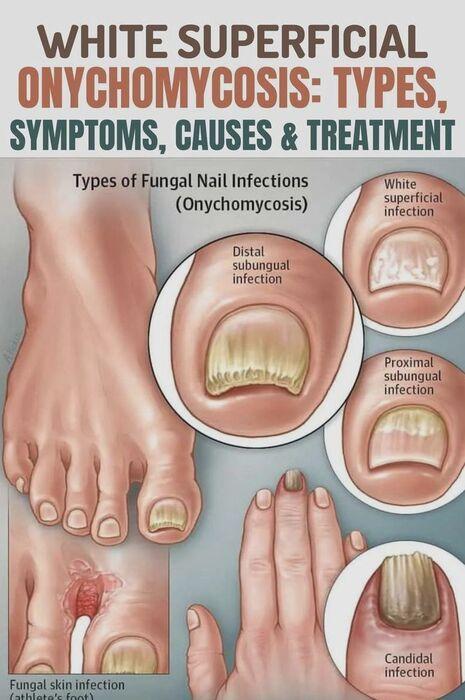
Types of Nail Fungus Infections
Different types of fungal infections require different nail fungus care approaches.
Distal Subungual Onychomycosis
The most common type, starting at the nail tip and spreading inward.
White Superficial Onychomycosis
Appears as white patches on the nail surface.
Proximal Subungual Onychomycosis
Starts at the nail base and moves outward.
Candida Onychomycosis
Often affects fingernails and is linked to chronic moisture exposure.
Early Signs and Symptoms
Early detection is key to successful nail fungus care.
Common symptoms include:
Yellow, white, or brown nail discoloration
Thickened nails
Brittle or crumbly nail edges
Distorted nail shape
Foul odor
Nail separation from nail bed
If symptoms are noticed early, treatment success rates are usually higher.
Risk Factors That Increase Nail Fungus Development
Certain lifestyle and environmental factors increase infection chances.
Frequent use of tight shoes
Excessive sweating
Walking barefoot in public areas
Sharing nail tools
Poor circulation
Artificial nails or nail polish trapping moisture
Reducing these risks supports better nail fungus care results.
Diagnosis of Onychomycosis
Accurate diagnosis is important before starting nail fungus care treatments. Doctors may use:
Visual examination
Nail scrapings for lab testing
Microscopic examination
Fungal culture tests
Proper diagnosis helps select the most effective treatment plan.
Medical Treatment Options
Modern medicine offers several treatment methods for nail fungus care.
Oral Antifungal Medications
Often prescribed for severe infections. These work from inside the body.
Topical Antifungal Treatments
Applied directly to nails. Best for mild to moderate infections.
Laser Therapy
Emerging option that targets fungi using light energy.
Nail Removal (Severe Cases)
Used when infection is painful or widespread.
Natural Nail Fungus Care Approaches
Many people prefer natural nail fungus care methods as supportive care.
Tea tree oil applications
Apple cider vinegar soaks
Garlic extract topical use
Coconut oil application
Baking soda moisture control
These methods may support nail health when used consistently alongside hygiene practices.
Daily Nail Hygiene Routine for Nail Fungus Care
Consistency is critical for successful nail fungus care.
Trim nails regularly
Keep nails clean and dry
Use antifungal powders in shoes
Change socks daily
Disinfect nail tools
Avoid sharing personal nail items
Diet and Nutrition for Nail Health
Healthy nutrition supports immune function and nail repair.
Important nutrients include:
Protein for nail structure
Biotin for nail strength
Zinc for immune support
Vitamin E for nail growth
Iron for nail thickness
Balanced nutrition improves long-term nail fungus care outcomes.
Preventing Nail Fungus Recurrence
Prevention is a key pillar of nail fungus care.
Always dry feet after washing
Wear breathable footwear
Use antifungal sprays in shoes
Avoid walking barefoot in public areas
Disinfect nail clippers regularly
Nail Fungus Care for Athletes
Athletes have higher risk due to sweating and shared facilities.
Wear moisture-wicking socks
Shower immediately after sports
Use protective footwear in locker rooms
Allow shoes to dry completely
Nail Fungus Care for Diabetic Individuals
Diabetic individuals must take extra precautions.
Check nails regularly
Avoid self-cutting thick infected nails
Consult doctors early
Maintain blood sugar control
Psychological Impact of Nail Fungus
Many people experience embarrassment due to nail appearance. Effective nail fungus care improves confidence and quality of life.
Myths vs Facts About Nail Fungus
Myth: Nail fungus goes away on its own
Fact: Most infections require treatment.
Myth: Nail polish can hide fungus safely
Fact: It can trap moisture and worsen infection.
Myth: Only older adults get nail fungus
Fact: Anyone can develop it.
Long-Term Nail Fungus Care Strategy
Long-term success requires consistency.
Follow treatment fully
Maintain hygiene routine
Monitor nail growth progress
Replace old shoes if needed
Keyword Placement
Primary keyword nail fungus care is placed naturally throughout headings and content.
User Intent Focus
Content answers high-search questions related to symptoms, treatment, and prevention.
Readability Optimization
Short paragraphs improve engagement and ranking potential.
Authority Building
Expert tone improves trust signals for search engines.
Fresh, Helpful Content
Search engines prioritize content that provides clear value to readers.
Frequently Asked Questions
How long does nail fungus treatment take?
Usually several weeks to months depending on severity.
Can nail fungus spread to skin?
Yes, untreated infections may spread.
Is nail fungus contagious?
Yes, especially in shared environments.
Future Trends in Nail Fungus Care
New research is focusing on:
Advanced topical delivery systems
Laser-based treatment improvements
Probiotic skin microbiome support
Plant-based antifungal compounds
Final Thoughts
Onychomycosis is a common but manageable condition when treated early and consistently. With proper nail fungus care, hygiene practices, medical treatment when necessary, and lifestyle improvements, most people can successfully restore nail health and prevent future infections.
Consistency, patience, and early action are the keys to long-term nail health success.