

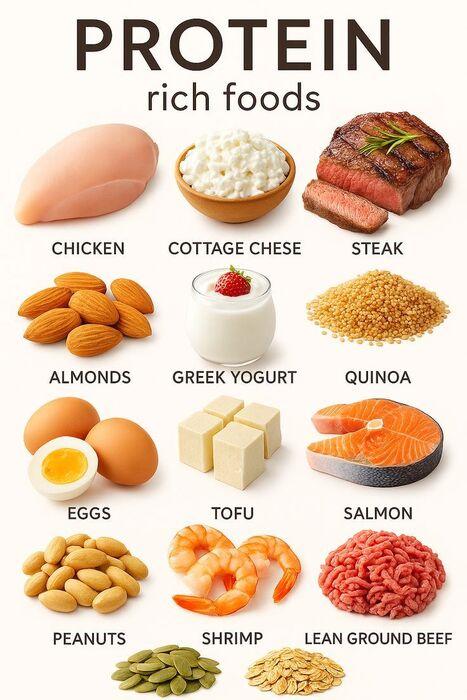
Protein is an essential macronutrient that plays a vital role in human health. Known as the “building block of life,” protein consists of amino acids, which are crucial for muscle repair, tissue maintenance, and overall bodily function. Whether you are an athlete, fitness enthusiast, or someone focused on maintaining a balanced diet, protein is indispensable for optimal health and wellness.
Beyond muscle support, protein contributes to enzyme and hormone production, strengthens the immune system, regulates metabolism, and even provides energy when carbohydrate or fat intake is low. Understanding protein’s function, sources, and requirements allows you to make informed dietary choices that promote long-term vitality.
What Is Protein?
Protein is a macronutrient composed of amino acids, often categorized as essential or non-essential based on whether the body can synthesize them. Amino acids build and repair muscles, organs, and tissues. Proteins also form enzymes, hormones, antibodies, and structural elements like collagen and keratin, supporting skin, hair, and nails.
Types of Protein
- Complete Proteins: Contain all nine essential amino acids. Found mainly in animal-based foods like meat, fish, eggs, and dairy. These proteins are highly bioavailable, making them ideal for muscle growth and repair.
- Incomplete Proteins: Lack one or more essential amino acids. Typically found in plant-based sources like beans, lentils, nuts, seeds, and grains. Combining multiple plant proteins can create a complete amino acid profile.
- Protein Supplements: Include powders, shakes, and bars (whey, casein, or plant-based), providing a convenient way to meet daily protein needs, especially for athletes and busy individuals.
Health Benefits of Protein
Protein provides more than just muscle support. Here are the key benefits:
1. Supports Muscle Growth and Repair
Protein provides amino acids that rebuild and strengthen muscles after workouts, promoting lean muscle mass and faster recovery.
2. Aids Weight Management
High-protein diets increase satiety, helping you feel fuller for longer and reducing overeating.
3. Boosts Metabolism
Protein has a high thermic effect, meaning the body burns more calories digesting it compared to fats or carbs, supporting metabolic efficiency.
4. Strengthens Bones
Adequate protein intake maintains bone density and reduces the risk of fractures and osteoporosis.
5. Supports Immune Function
Proteins form antibodies and immune cells, which protect the body from infections.
6. Enhances Energy Levels
Protein can serve as a backup energy source when carbohydrate or fat intake is insufficient.
7. Promotes Healthy Skin, Hair, and Nails
Amino acids support the production of keratin and collagen, essential for healthy appearance and structural strength.
8. Regulates Hormones and Enzymes
Proteins are involved in the synthesis of vital hormones and enzymes that regulate digestion, mood, and other physiological processes.
How Much Protein Do You Need?
Protein requirements vary by age, gender, body weight, and activity level:
- General Adult Needs: 0.8 grams per kilogram of body weight per day.
- Active Individuals & Athletes: 1.2–2.0 grams per kilogram per day.
- Older Adults: Higher intake may be necessary to prevent muscle loss and maintain strength.
For a 70 kg adult, this translates to approximately 56 grams daily for basic needs, but up to 140 grams may be appropriate for active individuals or those aiming for muscle gain. Spreading protein intake across meals ensures better absorption and optimal results.
Signs of Protein Deficiency
Insufficient protein intake can affect health significantly:
- Muscle wasting and weakness
- Slow wound healing
- Brittle hair and nails
- Edema (fluid retention)
- Frequent illness due to weakened immunity
- Fatigue and low energy
- Mood disturbances
Ensuring a balanced protein intake prevents these issues and promotes overall vitality.
Tips to Include More Protein in Your Diet
Include Protein in Every Meal
Add eggs, Greek yogurt, lean meats, fish, or tofu to breakfast, lunch, and dinner.
High-Protein Snacks
Snack on nuts, seeds, cheese, protein bars, or boiled eggs to maintain protein levels between meals.
Use Protein Supplements
Whey, casein, or plant-based powders are convenient for those with higher requirements.
Combine Plant Proteins
Mix lentils, beans, chickpeas, and quinoa for a complete amino acid profile.
Protein in Smoothies
Add protein powder, Greek yogurt, or nut butter to beverages for a simple boost.
Protein-Rich Carbs
Whole grains like quinoa and oats provide both protein and energy, complementing daily intake.
Protein for Specific Populations
Athletes
Athletes benefit from high-protein diets for recovery and performance. Protein timing around workouts improves muscle repair and growth.
Older Adults
Protein prevents age-related muscle loss, supporting strength and mobility.
Vegetarians & Vegans
Combining plant proteins ensures a complete amino acid profile and adequate intake without animal products.
Children
Protein supports growth, cognitive development, and immune function.
Protein Myths and Facts
Myth: More protein always equals more muscle.
Fact: Excess protein does not automatically build muscle; strength training is required.
Myth: Protein supplements are unsafe.
Fact: High-quality supplements are safe when used correctly and complement a balanced diet.
Myth: Only meat provides complete protein.
Fact: Plant-based combinations can supply all essential amino acids.
Choosing the Right Protein
Animal Proteins
Whey, eggs, lean meats, fish, and dairy offer high-quality amino acids for muscle repair.
Plant-Based Proteins
Beans, lentils, nuts, seeds, and tofu provide fiber, antioxidants, and micronutrients, supporting heart and digestive health.
Protein Supplements
Convenient for busy lifestyles, helping meet daily requirements when diet alone is insufficient.
Long-Term Protein Strategy
- Track protein intake based on body weight and activity level
- Incorporate a variety of protein sources
- Combine diet and exercise for muscle growth
- Adjust intake as lifestyle and age change
Final Thoughts
Protein is essential for overall health, from muscle growth and weight management to energy and immunity. Including the right mix of animal-based, plant-based, and supplemental proteins in your daily diet ensures your body functions optimally. Adequate protein intake supports long-term vitality, strong muscles, and healthy hair, skin, and nails.