

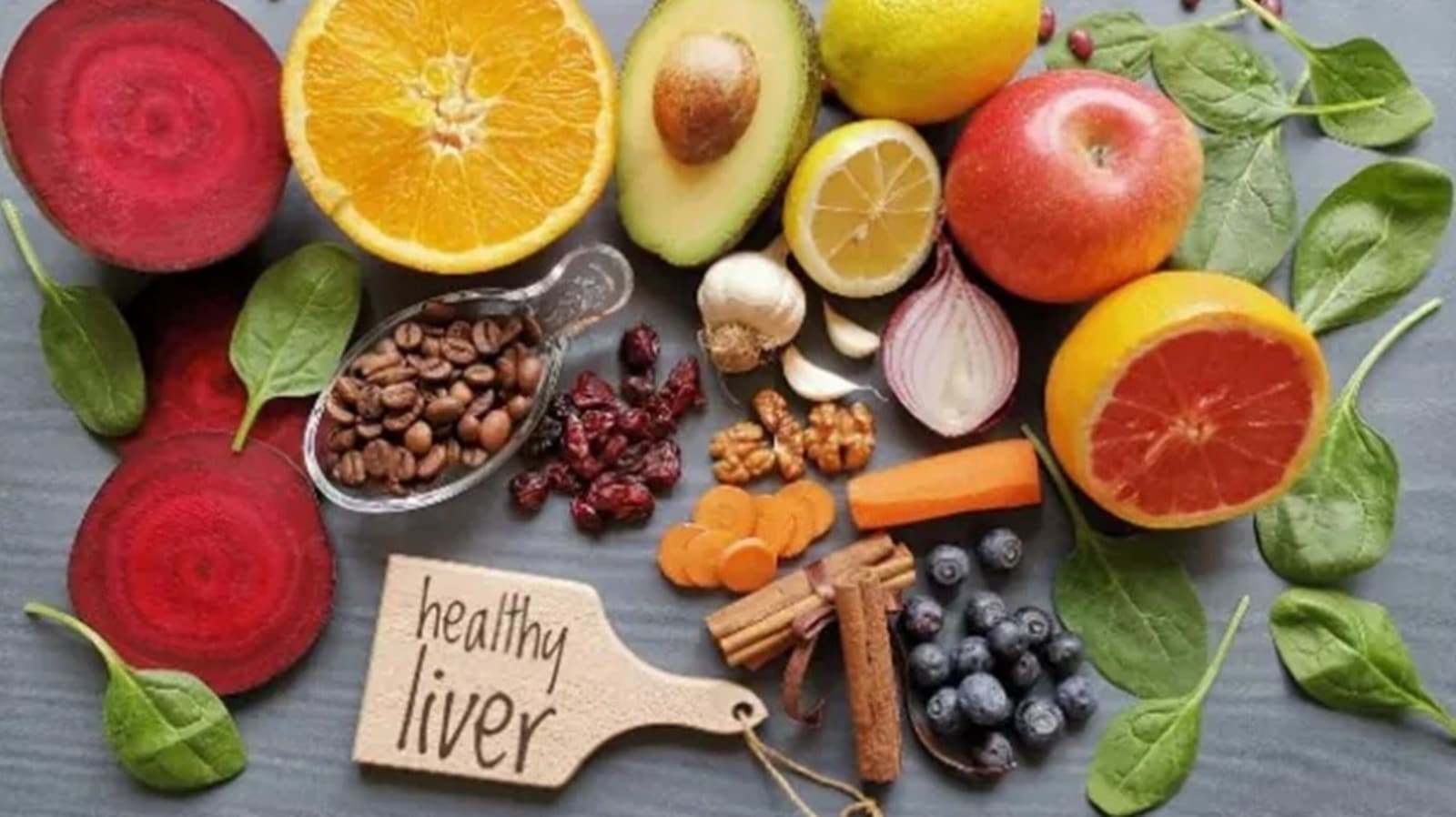
Liver health is a critical aspect of overall well-being. The liver is one of the body’s most important organs, responsible for detoxification, metabolism, nutrient storage, and digestion. Maintaining liver health ensures your body functions efficiently, supports energy levels, and reduces the risk of serious liver diseases.
This article explores practical ways to improve liver health through diet, lifestyle, and preventive strategies.
Understanding Liver Health
The liver is located in the upper right abdomen and performs essential functions including:
-
Detoxification: Filtering toxins from the blood and processing drugs and alcohol.
-
Metabolism: Converting nutrients from food into energy and storing essential vitamins.
-
Bile production: Assists in digestion and absorption of fats.
-
Immune support: Plays a role in fighting infections and maintaining immunity.
Poor liver health can lead to conditions such as fatty liver disease, hepatitis, cirrhosis, and liver cancer. Therefore, prioritizing liver health is crucial for long-term wellness.
Factors Affecting Liver Health
Several factors influence liver health, including lifestyle, diet, and underlying medical conditions. Common contributors to liver problems include:
-
Excess alcohol consumption: Alcohol can damage liver cells and lead to inflammation.
-
Poor diet: High-fat, high-sugar, and processed foods can contribute to fatty liver disease.
-
Obesity: Increases the risk of non-alcoholic fatty liver disease (NAFLD).
-
Medications and toxins: Certain medications and environmental toxins can strain the liver.
-
Viral infections: Hepatitis B and C can severely impact liver function.
Being aware of these factors helps individuals take proactive steps to maintain liver health.
Diet for Optimal Liver Health
Nutrition plays a pivotal role in liver health. A balanced diet can reduce inflammation, support detoxification, and improve liver function.
-
Fruits and vegetables: Rich in antioxidants, they protect liver cells from damage. Cruciferous vegetables like broccoli and cauliflower are particularly beneficial.
-
Lean proteins: Fish, chicken, eggs, and legumes help repair tissues and support metabolic processes.
-
Healthy fats: Nuts, seeds, and olive oil provide essential fatty acids without overloading the liver.
-
Whole grains: Oats, brown rice, and quinoa support digestion and stabilize blood sugar, reducing liver stress.
-
Hydration: Drinking enough water aids detoxification and keeps liver function optimal.
Avoid excessive sugar, refined carbs, fried foods, and processed snacks, as these can contribute to fatty liver and other liver issues.
Exercise and Liver Health
Regular physical activity is essential for maintaining liver health. Exercise helps manage weight, improve metabolism, and reduce fat accumulation in the liver.
-
Cardiovascular exercises: Walking, jogging, swimming, or cycling improve circulation and support liver detoxification.
-
Strength training: Builds muscle mass, improves metabolism, and reduces obesity-related liver risks.
-
Flexibility and balance exercises: Yoga and stretching reduce stress and enhance overall body function.
Aim for at least 150 minutes of moderate exercise per week to support liver health effectively.
Lifestyle Habits That Support Liver Health
Maintaining liver health extends beyond diet and exercise. Lifestyle habits can have a significant impact on long-term liver function:
-
Limit alcohol intake: Reduce consumption to prevent liver inflammation and damage.
-
Avoid smoking and toxins: Smoking and chemical exposure strain the liver and affect detoxification.
-
Maintain a healthy weight: Obesity increases the risk of non-alcoholic fatty liver disease.
-
Manage stress: Chronic stress can disrupt metabolic and hormonal balance, affecting liver function.
-
Regular check-ups: Routine liver function tests can detect early problems and prevent severe conditions.
Common Liver Health Challenges
Many people face challenges that affect liver health, including:
-
Fatty liver disease: Accumulation of fat in liver cells can impair function.
-
Hepatitis: Viral infections can lead to inflammation and long-term liver damage.
-
Cirrhosis: Scarring of liver tissue due to chronic damage.
-
Detox overload: Excessive supplements, alcohol, and medications can strain liver function.
Early detection and lifestyle adjustments are crucial for preventing and managing liver-related problems.
Effective Strategies for Maintaining Liver Health
Here are practical strategies to improve liver health naturally:
-
Eat a nutrient-rich diet: Include fruits, vegetables, lean proteins, whole grains, and healthy fats.
-
Exercise regularly: Combine cardio, strength training, and flexibility exercises.
-
Maintain healthy weight: Avoid obesity to reduce the risk of fatty liver.
-
Avoid toxins: Limit alcohol, quit smoking, and minimize exposure to chemicals.
-
Monitor liver function: Regular check-ups help detect issues early.
For more tips on liver health and natural ways to support your liver, visit LivCare. Implementing these strategies can improve liver function and overall wellness over time.
Long-Term Benefits of Maintaining Liver Health
Maintaining liver health has far-reaching benefits for overall well-being:
-
Enhanced metabolism: Supports energy production and nutrient utilization.
-
Detoxification efficiency: Reduces toxin accumulation in the body.
-
Better digestion: Improved bile production enhances fat digestion and nutrient absorption.
-
Disease prevention: Reduces the risk of fatty liver, hepatitis, and liver cancer.
-
Improved overall health: Healthy liver function supports the heart, brain, and immune system.
For more guidance on supporting liver health naturally, visit LivCare. Consistent care and healthy habits today can prevent serious liver problems in the future.
Final Thoughts
Liver health is a cornerstone of overall wellness. By maintaining a balanced diet, exercising regularly, adopting healthy lifestyle habits, and monitoring liver function, you can ensure your liver remains strong and efficient. Small, consistent changes can have a significant impact on long-term liver health and overall well-being.