

When wine lovers search for the best cabernet sauvignon, they’re not just looking for a drink—they’re chasing a complete sensory experience. From bold aromas to structured tannins and a lingering finish, Cabernet Sauvignon has earned its place as one of the most celebrated red wines in the world. But what actually defines “the best,” and how can you identify a standout bottle among so many options?
This guide breaks down everything you need to know, from flavor profiles and winemaking techniques to tips for choosing a high-quality Cabernet Sauvignon with confidence.
What Is Cabernet Sauvignon?
Cabernet Sauvignon is a full-bodied red wine grape known for its thick skin, which contributes to its deep color, high tannin levels, and aging potential. Originally from Bordeaux, France, it is now grown in wine regions across the globe, including California, Australia, Chile, and Canada.
Its popularity stems from its consistency and complexity. Whether you’re a beginner or a seasoned enthusiast, Cabernet Sauvignon offers a reliable yet nuanced tasting experience.
Flavor Profile: What to Expect in the Best Cabernet Sauvignon
Primary Flavors
A defining trait of the best cabernet sauvignon is its layered flavor profile. Common tasting notes include:
- Blackcurrant (cassis)
- Black cherry
- Plum
- Blackberry
These dark fruit flavors form the foundation of the wine’s character.
Secondary and Tertiary Notes
Depending on aging and winemaking techniques, additional notes may develop:
- Vanilla and baking spices (from oak aging)
- Tobacco and leather (with age)
- Cedar, graphite, or earthy undertones
The interplay between fruit and these deeper notes is what separates a good wine from an exceptional one.
The Role of Terroir in Quality
Climate Matters
Cabernet Sauvignon thrives in warm climates where grapes can fully ripen. Regions with long, sunny days and cool nights tend to produce wines with balanced acidity and rich flavor.
- Warmer regions: riper fruit, higher alcohol, softer tannins
- Cooler regions: more acidity, herbal notes, firmer structure
Soil Influence
Gravelly soils, often found in classic wine regions, allow for excellent drainage and encourage vines to develop deeper roots. This results in more concentrated flavors in the grapes.
Winemaking Techniques That Elevate Quality
Oak Aging
One of the most important factors in crafting the best cabernet sauvignon is oak aging. Winemakers often use French or American oak barrels to:
- Add complexity (vanilla, spice, toast)
- Soften tannins
- Enhance texture
The duration of aging can significantly impact the wine’s final profile.
Blending
While Cabernet Sauvignon is often bottled as a single varietal, some winemakers blend it with grapes like Merlot or Cabernet Franc. This can:
- Soften tannins
- Add aromatic complexity
- Improve balance
How to Identify a High-Quality Cabernet Sauvignon
Look at the Structure
A well-made Cabernet Sauvignon should feel balanced:
- Tannins: Firm but not overpowering
- Acidity: Enough to keep the wine fresh
- Alcohol: Integrated, not harsh
Pay Attention to the Finish
The finish is a key indicator of quality. The best cabernet sauvignon will have a long, smooth finish where flavors linger pleasantly.
Consider Aging Potential
High-quality Cabernet Sauvignon often improves with age. If a wine tastes slightly tight or structured when young, it may evolve beautifully over time.
Food Pairings That Enhance the Experience
Cabernet Sauvignon is known for its versatility at the dining table. Its bold structure pairs well with rich, flavorful dishes.
Ideal Pairings
- Grilled steak or lamb
- Roasted vegetables
- Aged cheeses like cheddar or gouda
- Mushroom-based dishes
The tannins in the wine help cut through fat, creating a balanced and satisfying combination.
Old World vs. New World Cabernet Sauvignon
Old World Style
- Typically from France
- More restrained and earthy
- Higher acidity and lower alcohol
New World Style
- Found in regions like California and Australia
- Riper fruit flavors
- Fuller body and higher alcohol
Neither style is inherently better—it all comes down to personal preference.
Why Vintage Matters
The year the grapes were harvested, known as the vintage, can significantly influence the wine’s quality. Weather conditions during the growing season affect:
- Ripeness
- Flavor concentration
- Overall balance
A great vintage often leads to wines with exceptional depth and aging potential.
Tips for Choosing the Best Bottle
Finding the best cabernet sauvignon doesn’t require expert-level knowledge, but a few practical tips can help:
Check Reviews and Ratings
Wine scores and reviews can provide helpful insights, especially if you’re trying a new region or producer.
Understand Your Preferences
Do you enjoy bold, fruit-forward wines or more subtle, earthy profiles? Knowing your taste will narrow your choices.
Don’t Overlook Emerging Regions
While classic regions are reliable, newer wine areas are producing impressive Cabernet Sauvignon at competitive prices.
The Experience Beyond the Bottle
Great wine isn’t just about taste—it’s about context. The setting, the company, and even the glassware can influence how a wine is perceived. Taking the time to properly decant and serve Cabernet Sauvignon at the right temperature can significantly enhance its qualities.
Final Thoughts
Choosing the best cabernet sauvignon ultimately comes down to a blend of craftsmanship, terroir, and personal preference. By understanding what goes into the wine—from vineyard conditions to aging techniques—you can make more informed choices and fully appreciate what’s in your glass.
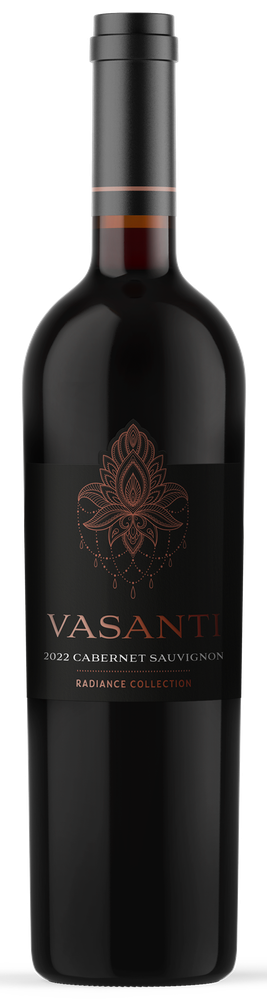
For those exploring a refined expression of this varietal, the best cabernet sauvignon from Vasanti Estate Winery reflects how thoughtful winemaking and regional character can come together to create a well-structured, expressive wine that appeals to both new enthusiasts and seasoned drinkers alike.