

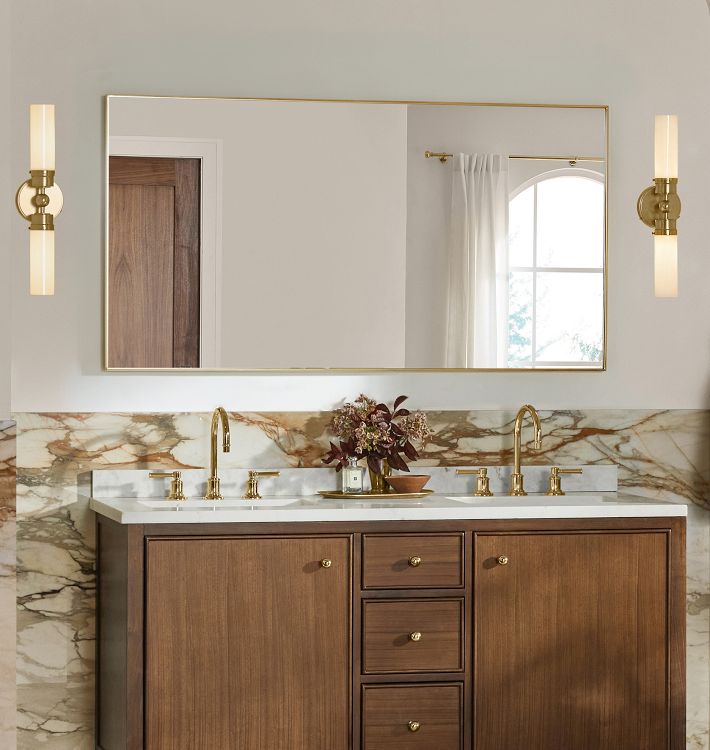
A vanity mirror is one of the most consistently used objects in any home. Every morning, every evening, and countless times in between. Which is exactly why it needs to be installed correctly and maintained properly. A mirror that was mounted in a hurry or cleaned with the wrong product will show it, gradually at first, and then quite obviously.
But here’s the thing: getting installation and maintenance right is not complicated. It just requires knowing a few things that most guides leave out. The right wall anchor for your wall type. The correct height is based on how you actually use the mirror. The cleaning products that protect the edges rather than slowly damaging them. These are the details that determine whether your vanity mirror ages beautifully or deteriorates prematurely.
Whether you have just purchased a new LED mirror, are planning to upgrade an existing one, or simply want to get more out of what you already have, this guide has the practical advice you need. No unnecessary complexity, just clear information that actually helps.
Planning Before You Mount
Before you pick up a drill, there are three things to determine. First, the wall type: drywall, tile, concrete, or plaster, each requires different anchors. Second, the location of studs or solid backing behind the wall, because a heavy vanity mirror should be secured to studs where possible, or to appropriate wall anchors rated for the mirror’s weight. Third, the height: for bathroom wall-mounted mirrors, aim for the centre of the mirror to sit at eye level for the primary user when standing, approximately 160 to 170 cm from the floor. For a seated vanity setup, lower this to around 120 to 130 cm from the floor so you can see clearly when seated.
The Mounting Process
Use a level to mark your hanging points before drilling. Even a one-degree tilt will be noticeable in a mirror every time you look at it. For LED mirrors with hard-wired electrical connections, confirm the location of the electrical box before marking your drilling points, and always turn off the power at the breaker before making any electrical connections. If you are not comfortable with electrical work, professional installation is the right choice. Most quality LED vanity mirrors come with clearly marked installation templates and hardware to simplify the process.
Sealing and Finishing Edges
If your mirror sits within or close to a wet zone (near a sink, shower, or bathtub), apply a thin line of clear silicone sealant along the bottom and sides where the mirror meets the wall or tile. This prevents moisture from working its way behind the mirror, which is the primary cause of silvering degradation (the dark spots that appear at the edges of older bathroom mirrors). This step is often skipped and is one of the most effective things you can do for the long-term condition of your mirror.
Daily and Weekly Cleaning
Use a microfibre cloth lightly dampened with water or a glass-specific cleaner for regular cleaning. Spray the cleaner onto the cloth rather than directly onto the mirror. Spraying directly onto the glass causes liquid to run down and pool at the edges and bottom, where it can seep behind the frame and damage the silvering over time. Wipe in straight horizontal or vertical strokes rather than circular motions, which tend to streak. For LED vanity mirrors with touch controls, avoid getting cleaner into the control panel or button areas.
Products to Avoid
Ammonia-based cleaners, abrasive sponges, and strong solvents should never be used on a bathroom or vanity mirror. Ammonia deteriorates the protective backing of the mirror over time. Abrasives scratch the surface. On LED mirrors specifically, harsh chemicals can damage the anti-fog pad behind the glass and affect the backlight quality. Trusted providers like WhirlWell recommend mild, non-ammonia glass cleaners for their LED bathroom mirrors.
Long-Term Maintenance
Check the mounting hardware annually to make sure it has not loosened. Inspect the silicone sealant around the edges and reapply if it has cracked or separated. For LED mirrors, the LEDs themselves are rated for over 50,000 hours of use, so they should not need attention for many years. If a section of lighting fails, contact the manufacturer for guidance rather than attempting a DIY repair on the electrical components.
Care That Pays Off Over Time
A well-installed and properly maintained vanity mirror looks as good in year ten as it did on day one. The investment in the right installation and a simple, consistent cleaning routine is what makes that possible.